
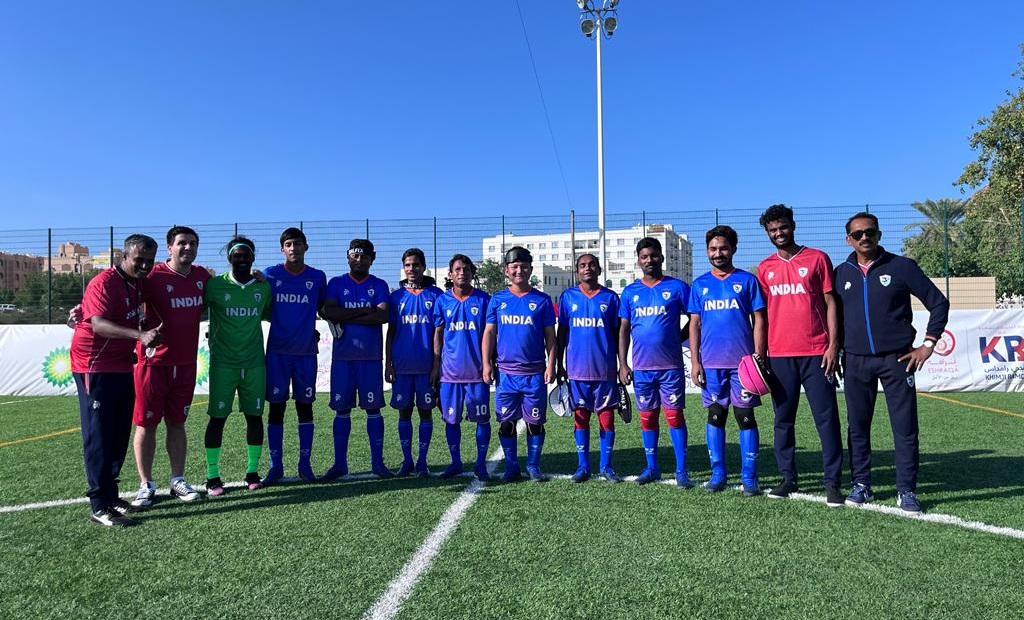
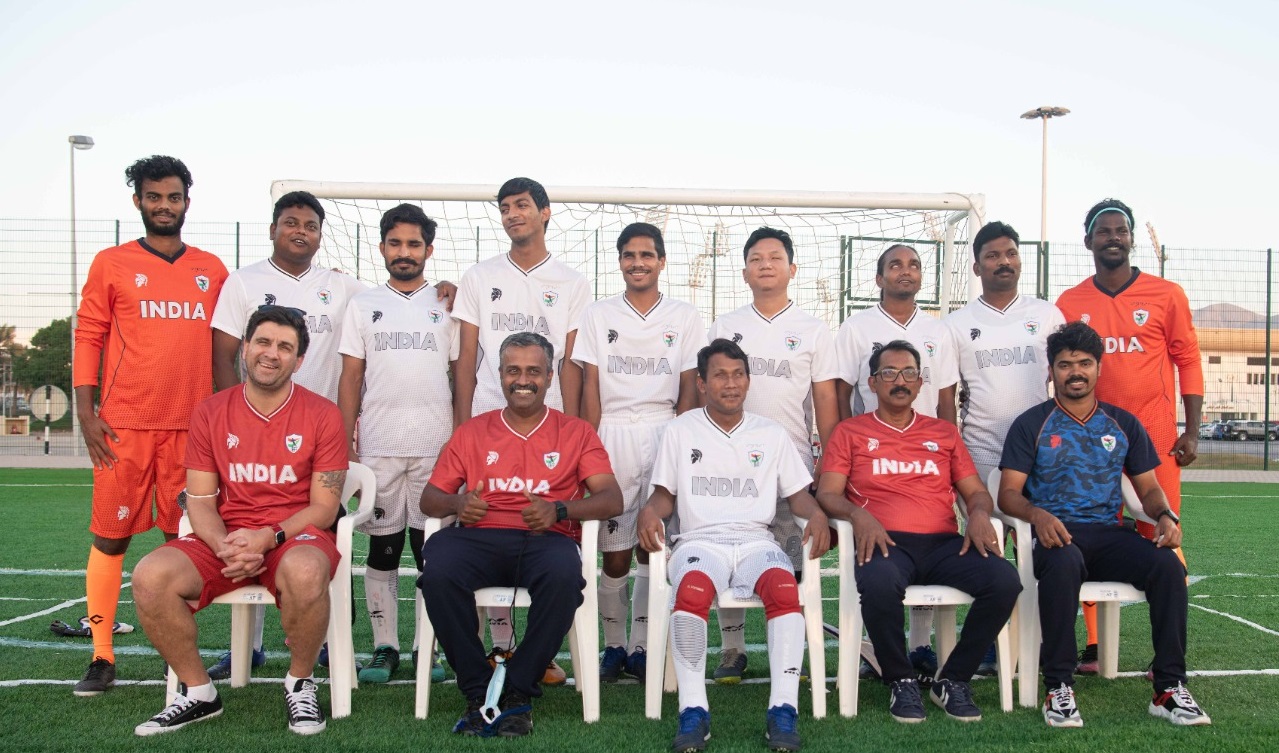
About IBFF
To create a world-class, inclusive Blind Football ecosystem in India that empowers persons with visual impairment
to achieve sporting excellence, self-reliance, and social dignity, while enabling Indian teams to consistently
compete and succeed at the highest international levels, including the Paralympic Games.
To promote and develop Blind Football across India by ensuring inclusive access, identifying and nurturing
talent through structured grassroots and high-performance pathways, providing holistic athlete support including
training, education, health, and vocational skills, strengthening national and international competitiveness,
and using sport as a powerful tool for social inclusion, empowerment, and sustainable livelihoods for visually
impaired athletes.
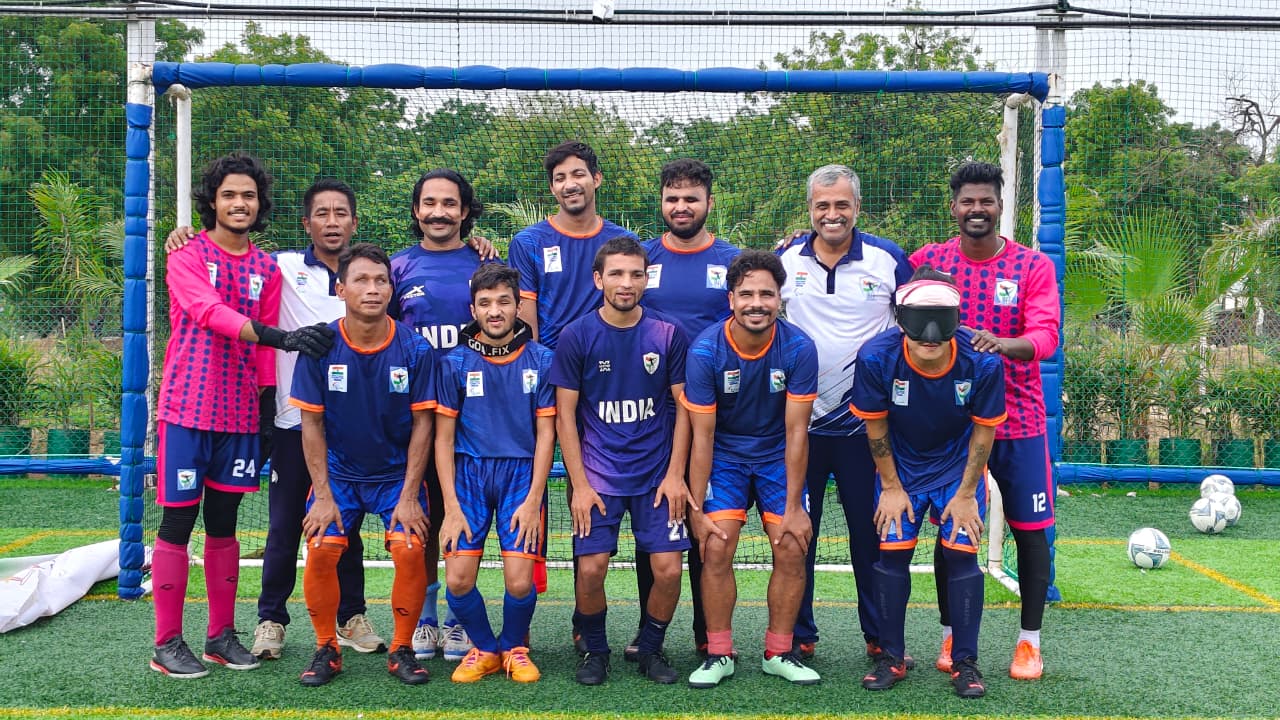
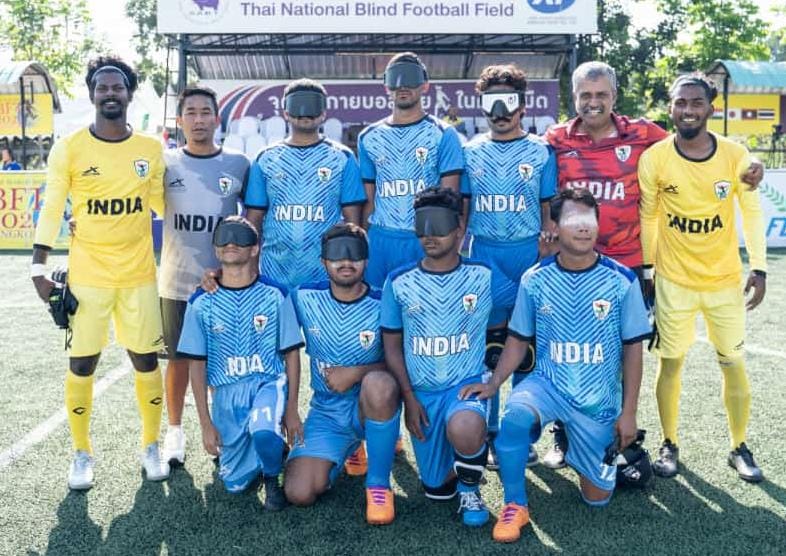
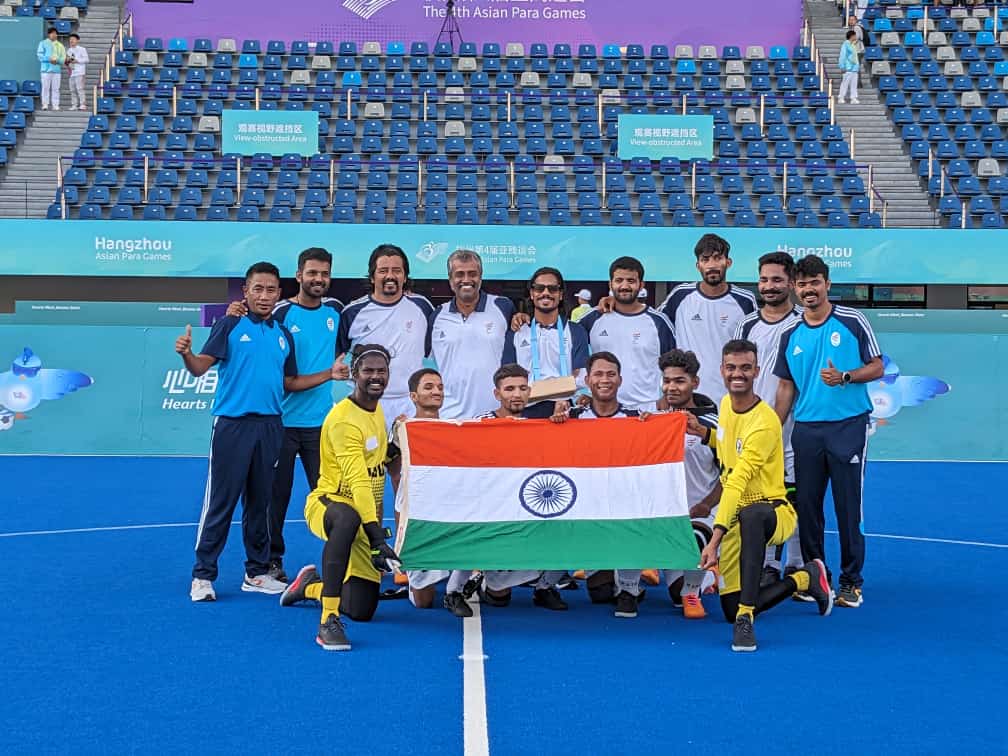
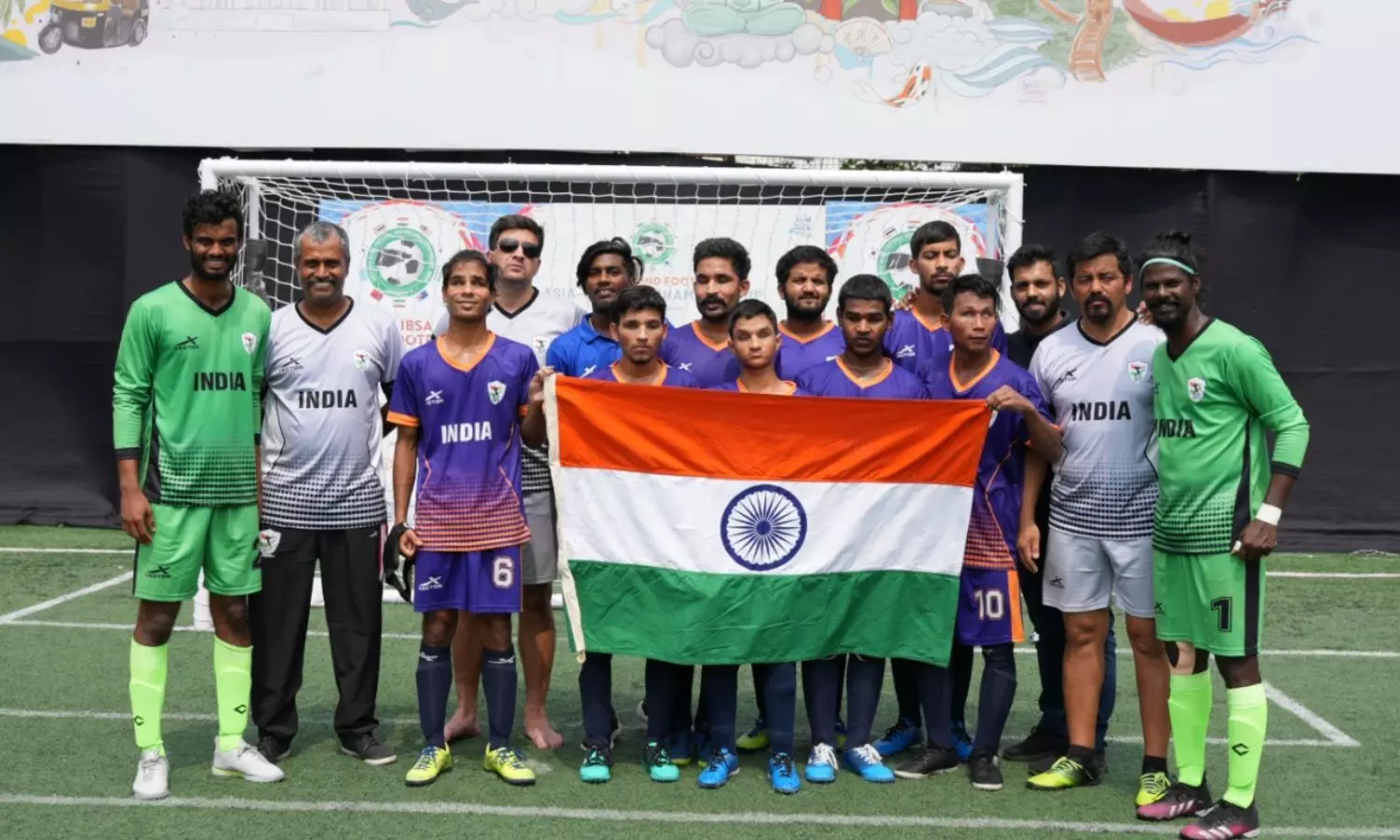
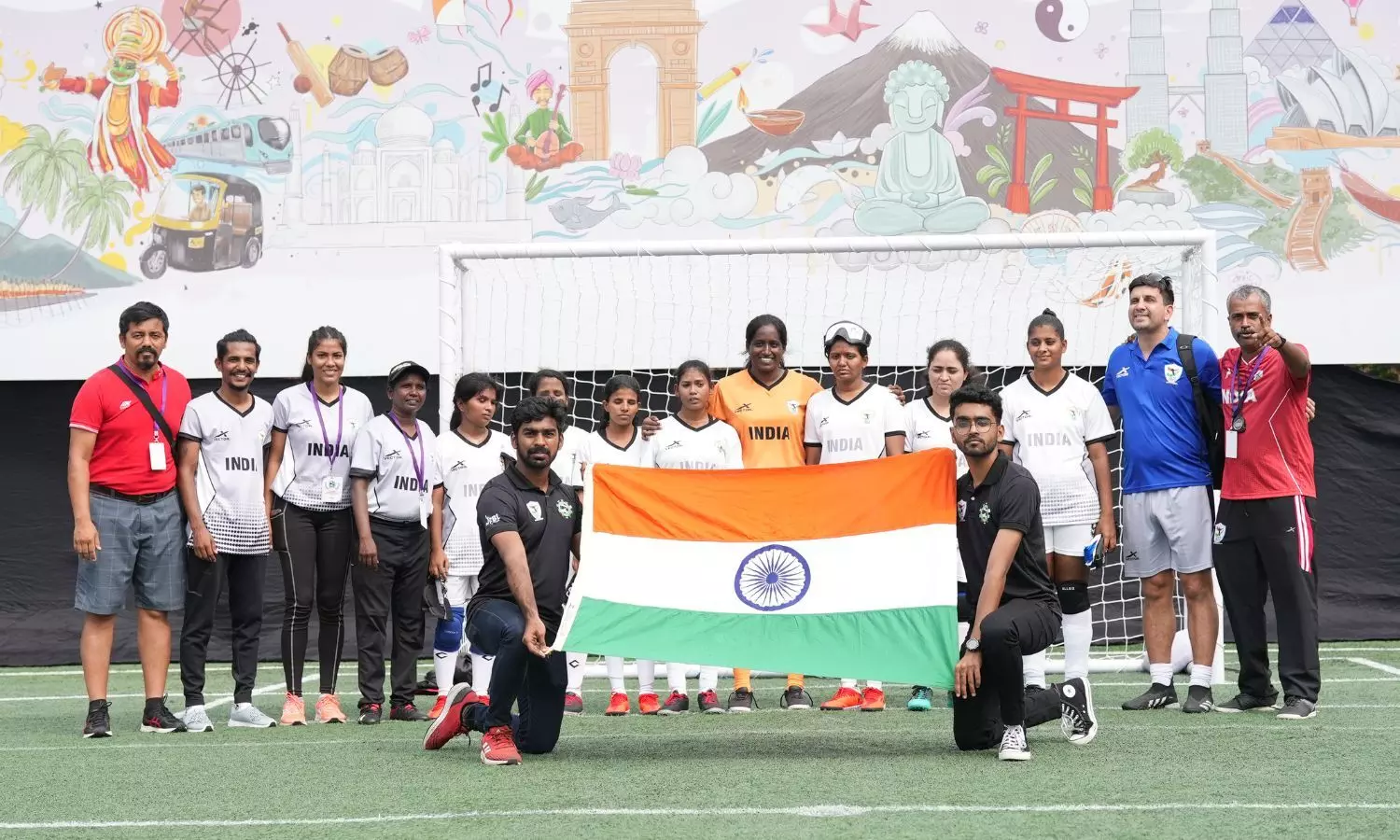
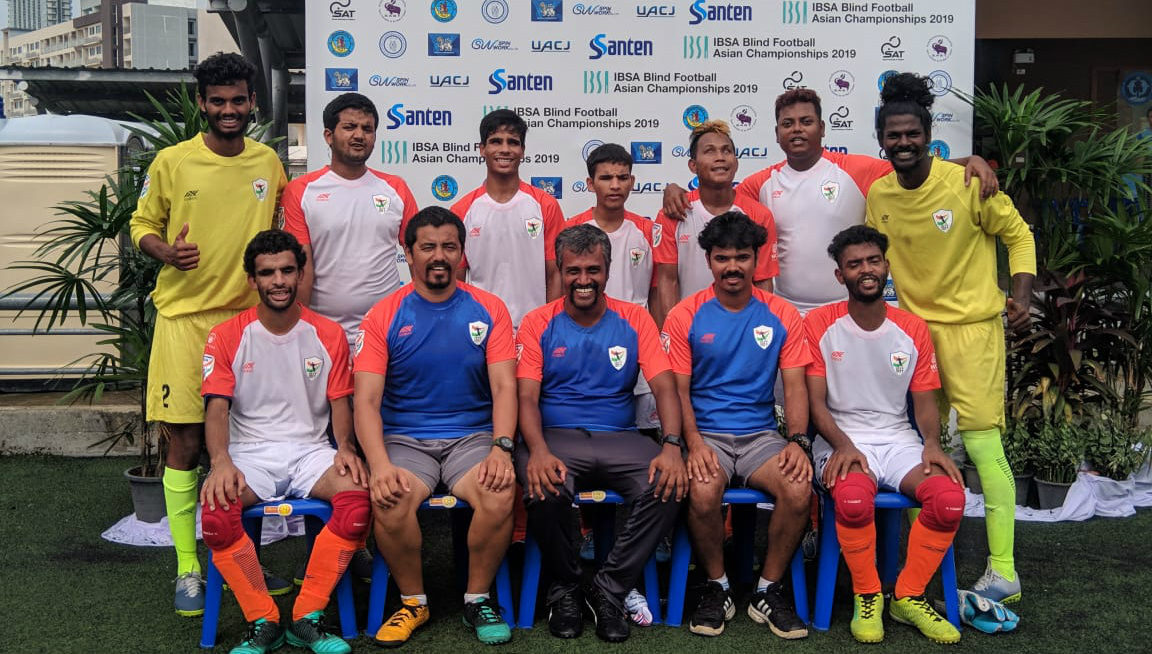
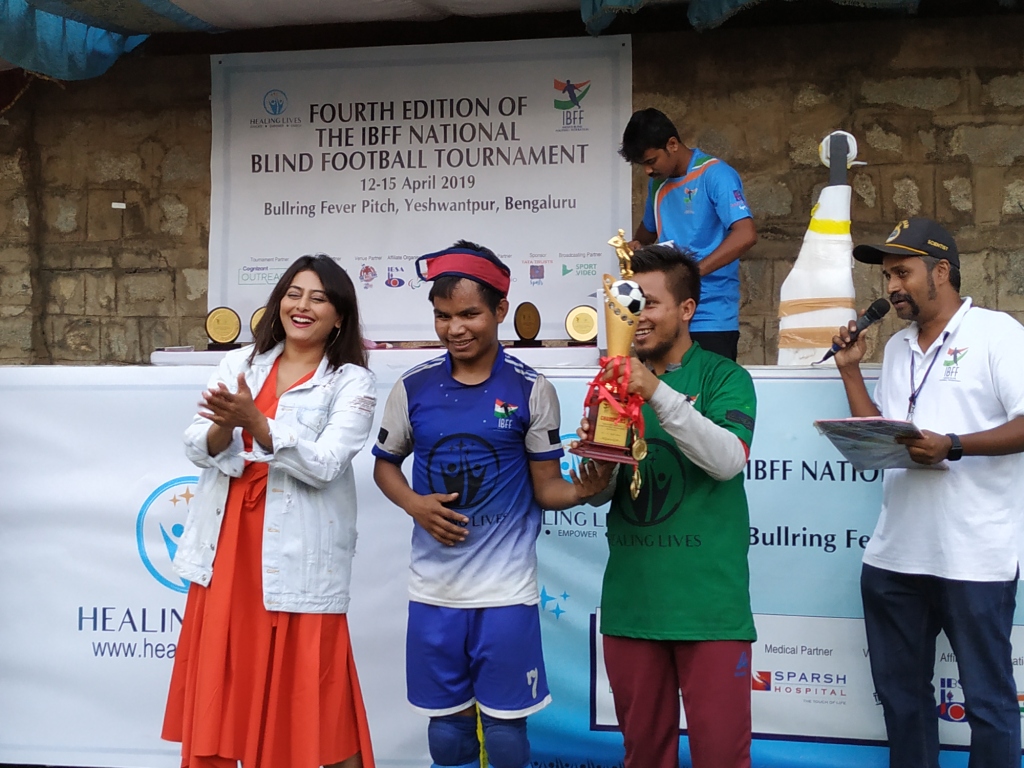
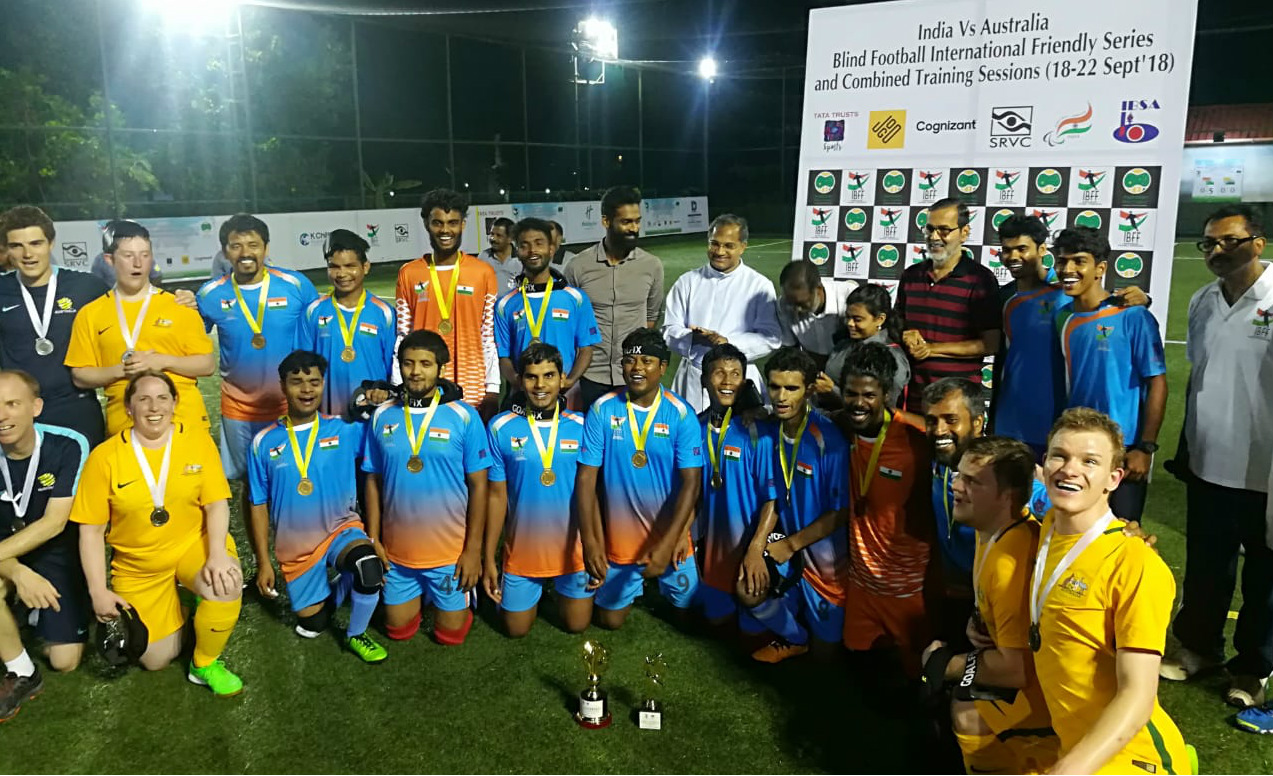
The Indian Blind Football Federation (IBFF), established in 2016, is an independent national body dedicated to
the promotion and development of Blind Football for persons with visual impairment across India. IBFF is
affiliated with the Indian Blind Sports Association (IBSA), New Delhi, and functions under the aegis of the
Paralympic Committee of India (PCI).
Since September 2017, IBFF has been running a full-fledged Blind Football Academy in Kochi, Kerala—the only
specialized para-sports academy in India dedicated exclusively to Blind Football. The Academy follows a
holistic development model, combining high-performance sports training with vocational skill development to
ensure long-term self-reliance and dignity for athletes beyond their sporting careers.
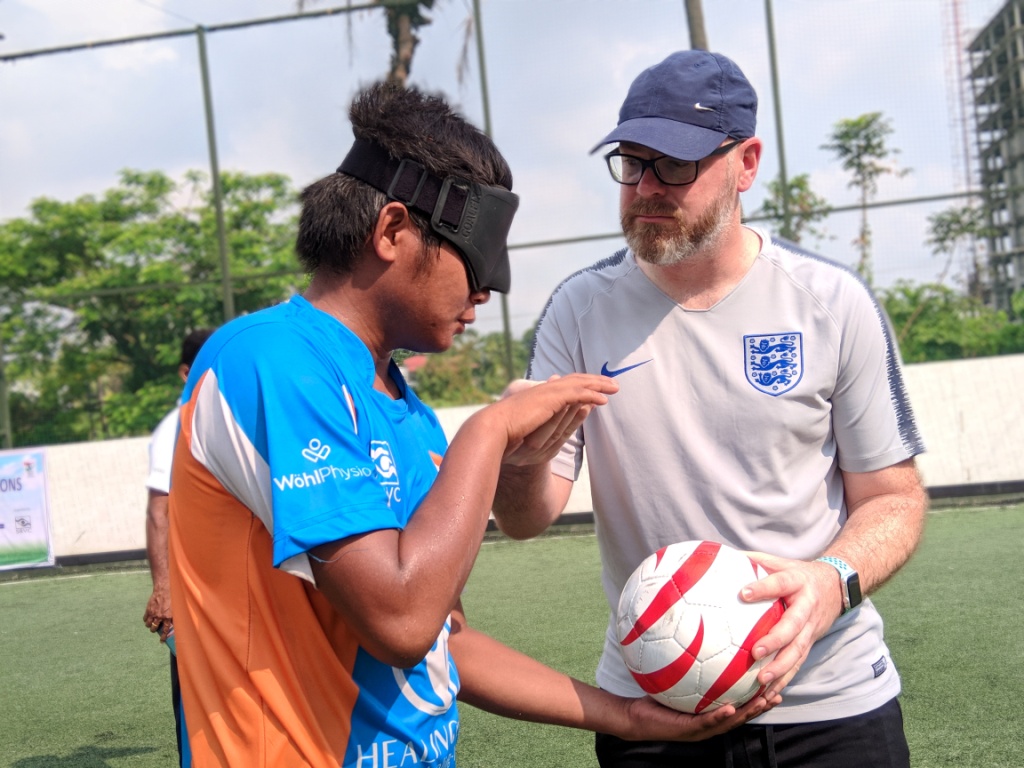
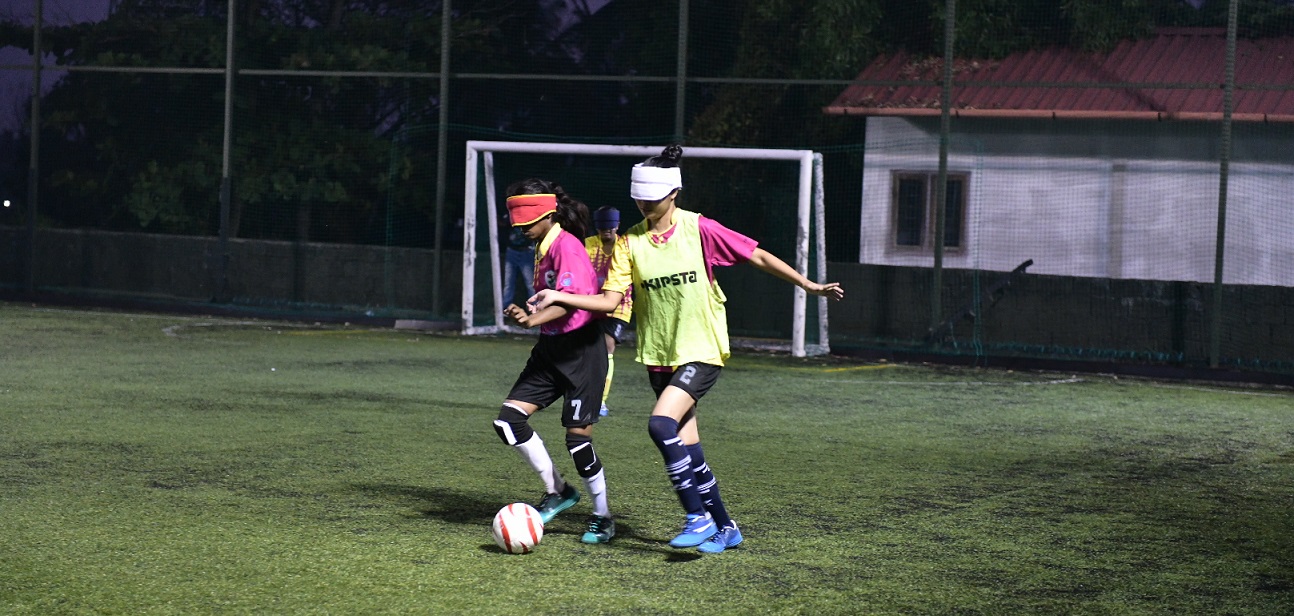
Blind Football is an exciting, fast paced 5-a-side football played by visually impaired athletes using a ball
with a noise-making device inside. Played on a smaller pitch in an enclosed court, the game was introduced as
a Paralympic event in 2004. There is more dribbling and short passing than in the mainstream sport, and crowds
remain silent during play to ensure that players can hear the ball, their teammates and opposition players.
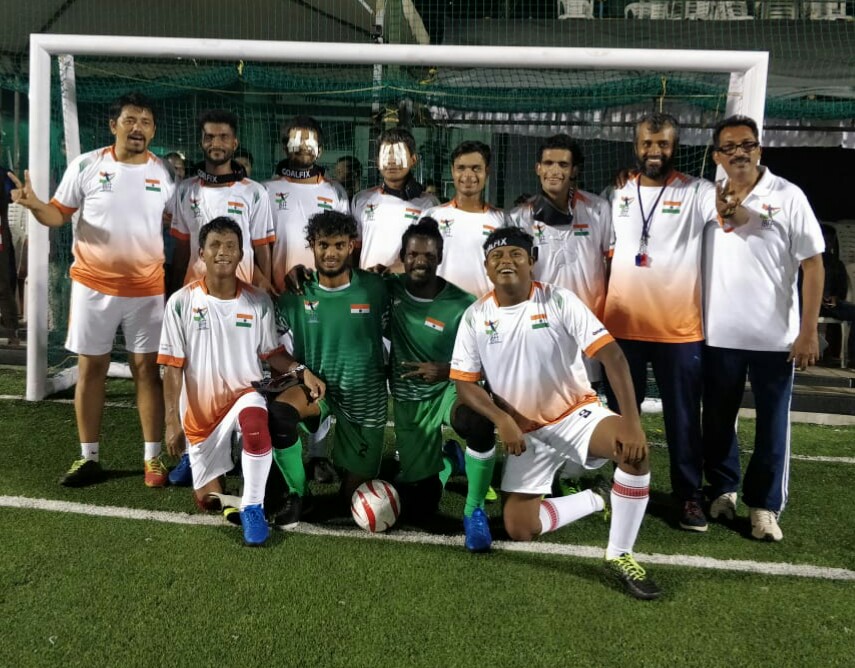
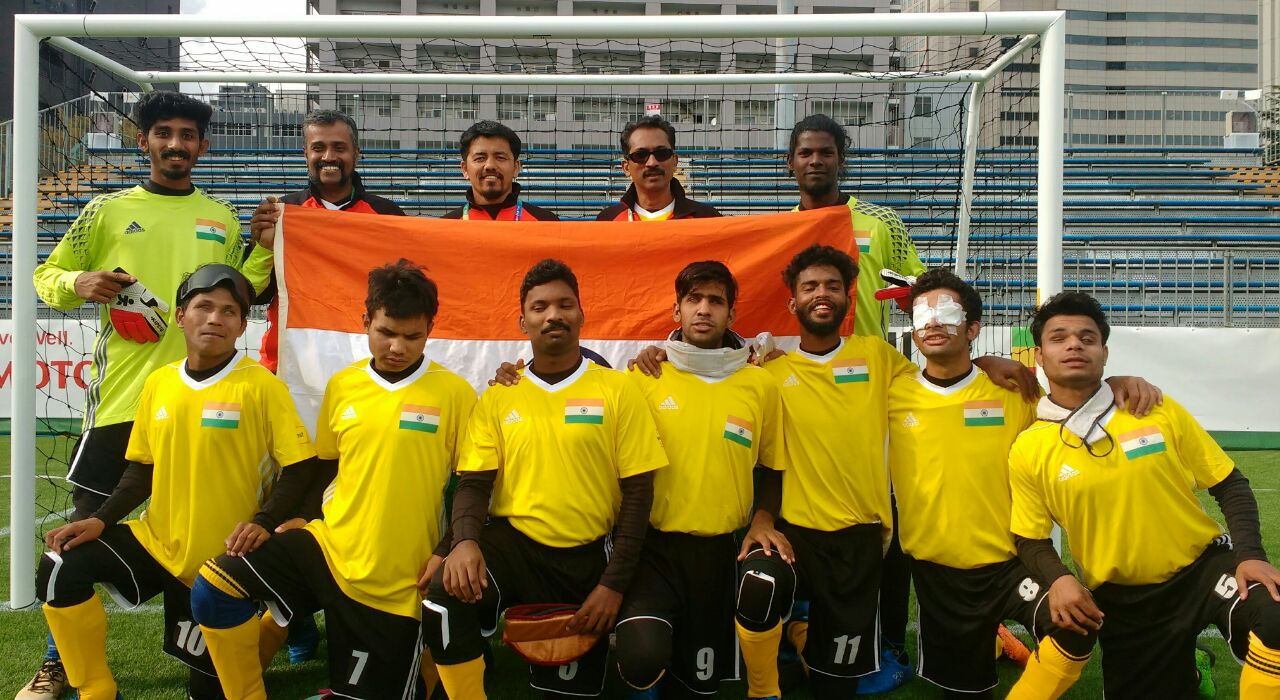
Matches are played between two teams on a ground measuring 40m x 20m, each team comprises four outfield players
and a goalkeeper. The outfield players are visually impaired (VI) and wear eyeshades to ensure fairness; however,
the goalkeeper may be fully or partially sighted. The pitch is surrounded with a rebound wall; the sport is
played with no throw-ins and no offside rule, which ensures non-stop action. Matches are played over two halves
of 20 minutes each, with an additional 10 minutes designated for halftime.
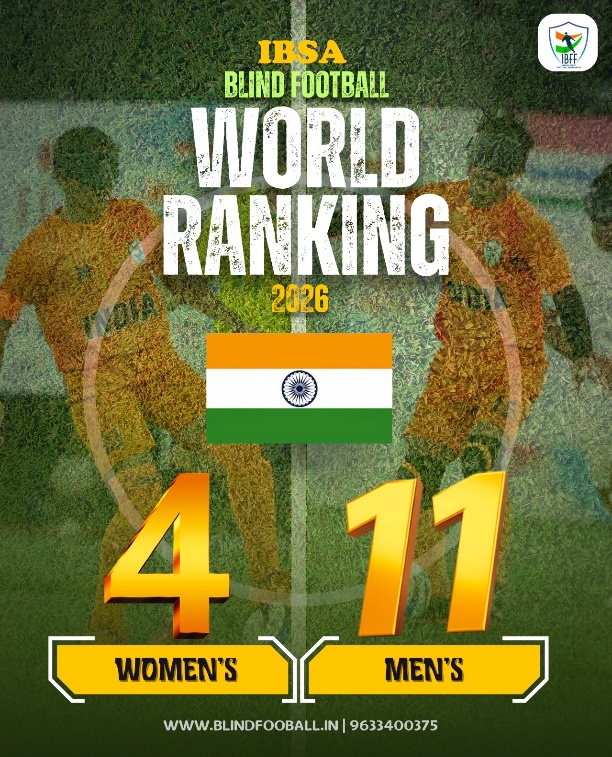
Contact us
Indian Blind Football Federation (IBFF)Reg no 416 / 2016
Registered office : 5th Floor, South Square Building,Panampilly Nagar, Kochi - 682036, Kerala. INDIA
Ph: +91- 9447132363 / 9349985555
Email: sunil@blindfootball.in
Admin office : A1/62, LGF,Safardung Enclave, New Delhi - 110029


To Contribute to the Blind Football Project, please click below

Ground Partner

We are Affiliated to

National team kits and Ball Partner

Partners






Copyrights © Indianblindfootball 2026. All Rights reserved
Indian Blind Football Federation (IBFF) is a registered organization working with the Indian Blind Sports Association to promote Blind Football in India.
Indian Blind Football Federation (Regn.No. 416/2016, India Trust Act) .